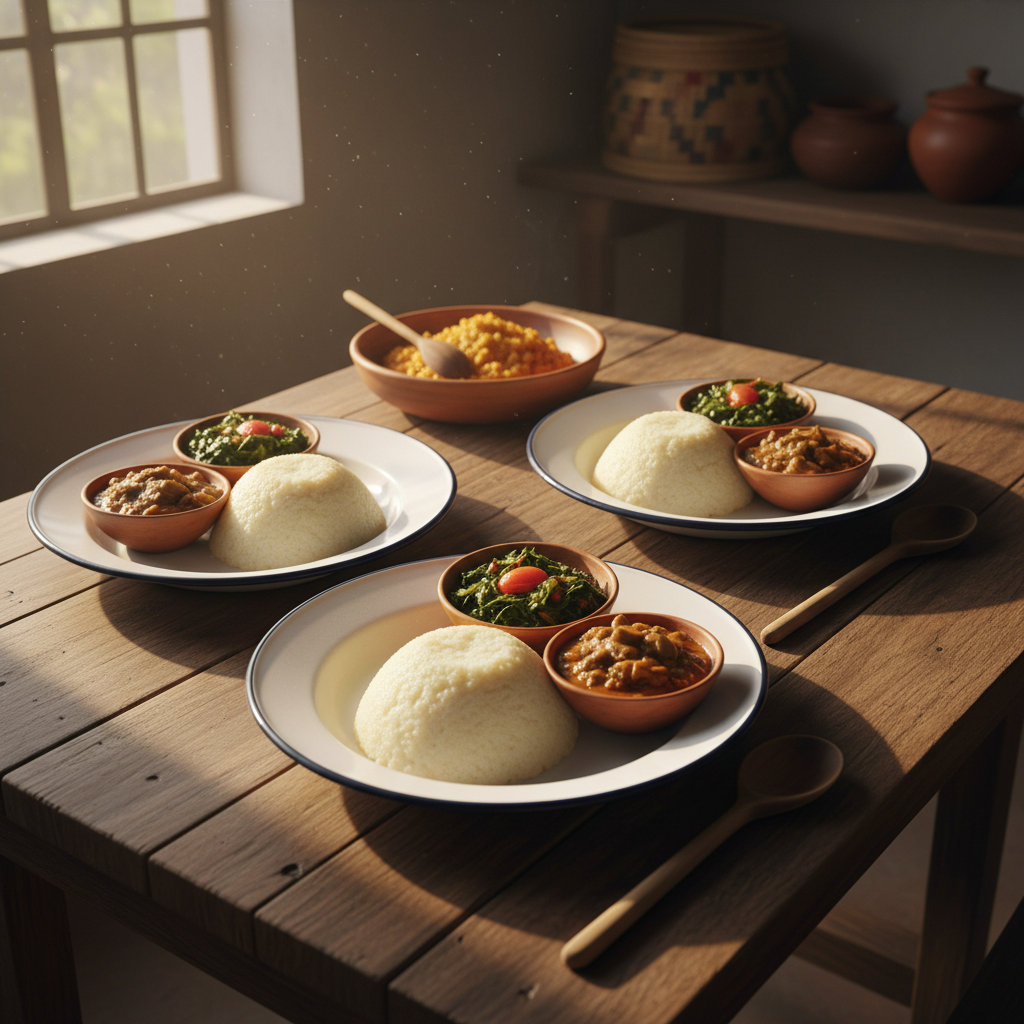
Wooden table set with enamel plates, a mound of nshima, and three bowls of relish in warm window light

Nshima

Chipata · Lusaka · By Hand

How We Got Here

A kitchen that remembers

The Village1968 · Chipata

Grandmother Mutale's Kitchen

In a clay-walled kitchen outside Chipata, Grandmother Mutale Phiri stirred nshima in the same pot every morning — no measuring, no timer. The fire told her when the maize was ready. The smell told the neighbours. Her ifisashi, made with groundnuts pounded by hand on a flat rock, was the dish people walked three hours to eat at funerals, weddings, and nothing-in-particular Sundays.
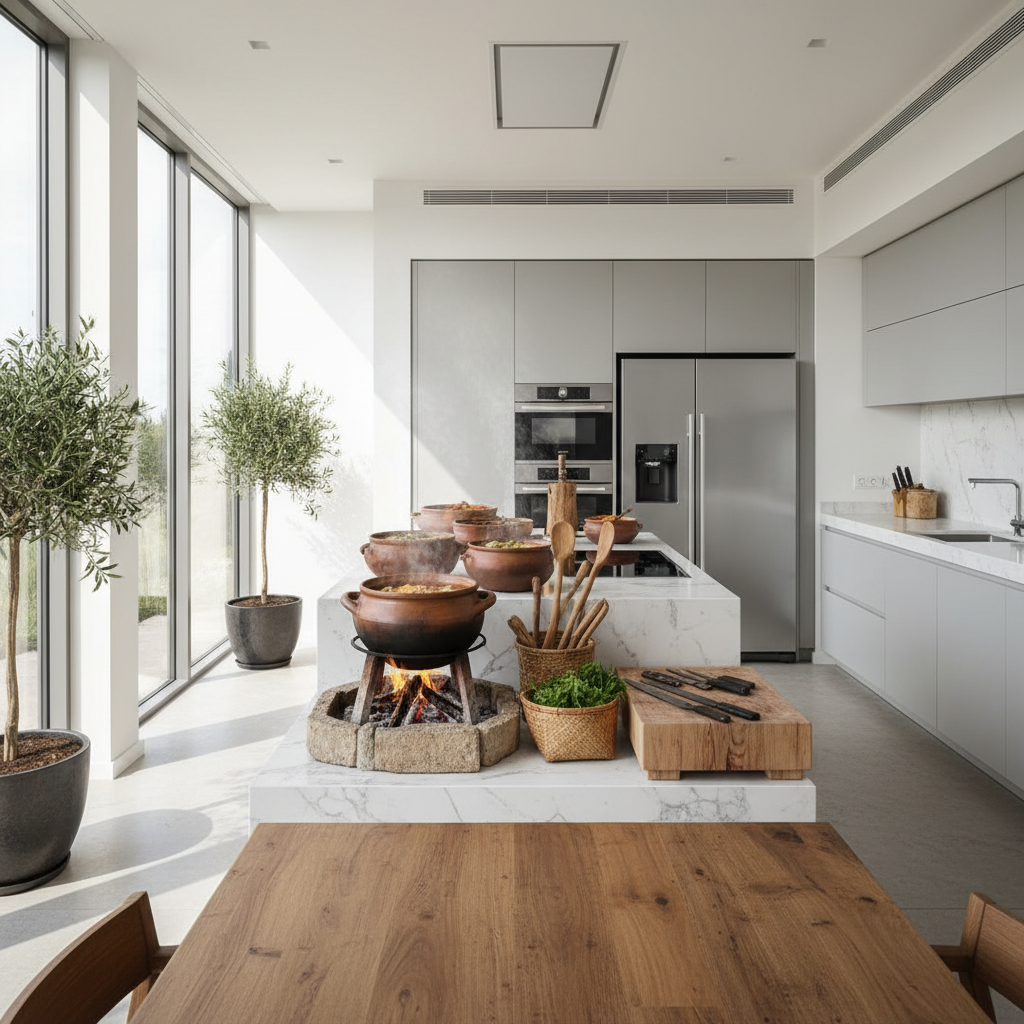
Weathered clay cooking pots over an open fire in a traditional village kitchen, warm amber light
The Migration1994 · Lusaka

A Recipe Carried in Memory

When Mutale's granddaughter, Chanda, moved to Lusaka at nineteen, she carried no written recipe. The proportions lived in her hands — how long to stir, when to add the dried fish, how thick the nshima should feel against the spoon before it's done. She cooked for homesick neighbours in a single room in Kanyama, charging nothing, accepting everything.
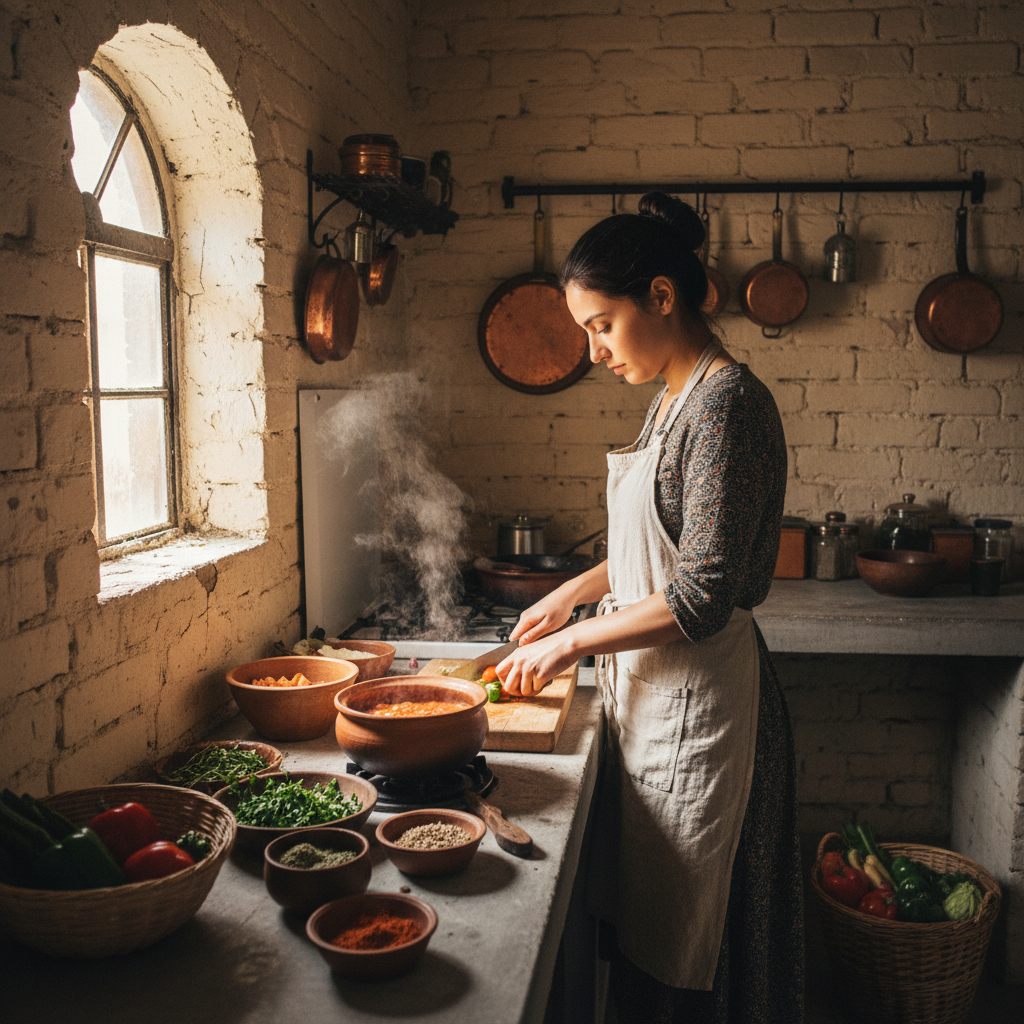
Young woman cooking traditional food in a modest urban kitchen, natural light from a small window
The First Table2018 · Woodlands

The Pop-Up That Wouldn't Stop

What began as a Saturday pop-up in Woodlands — eight plastic chairs, a hand-painted sign, and one menu item — sold out in forty minutes every week for six months. The queue was Zambians from every province, embassy workers who'd heard rumours, and strangers who'd smelled something and followed their nose. Chanda cooked until midnight and was back at the fire by five.
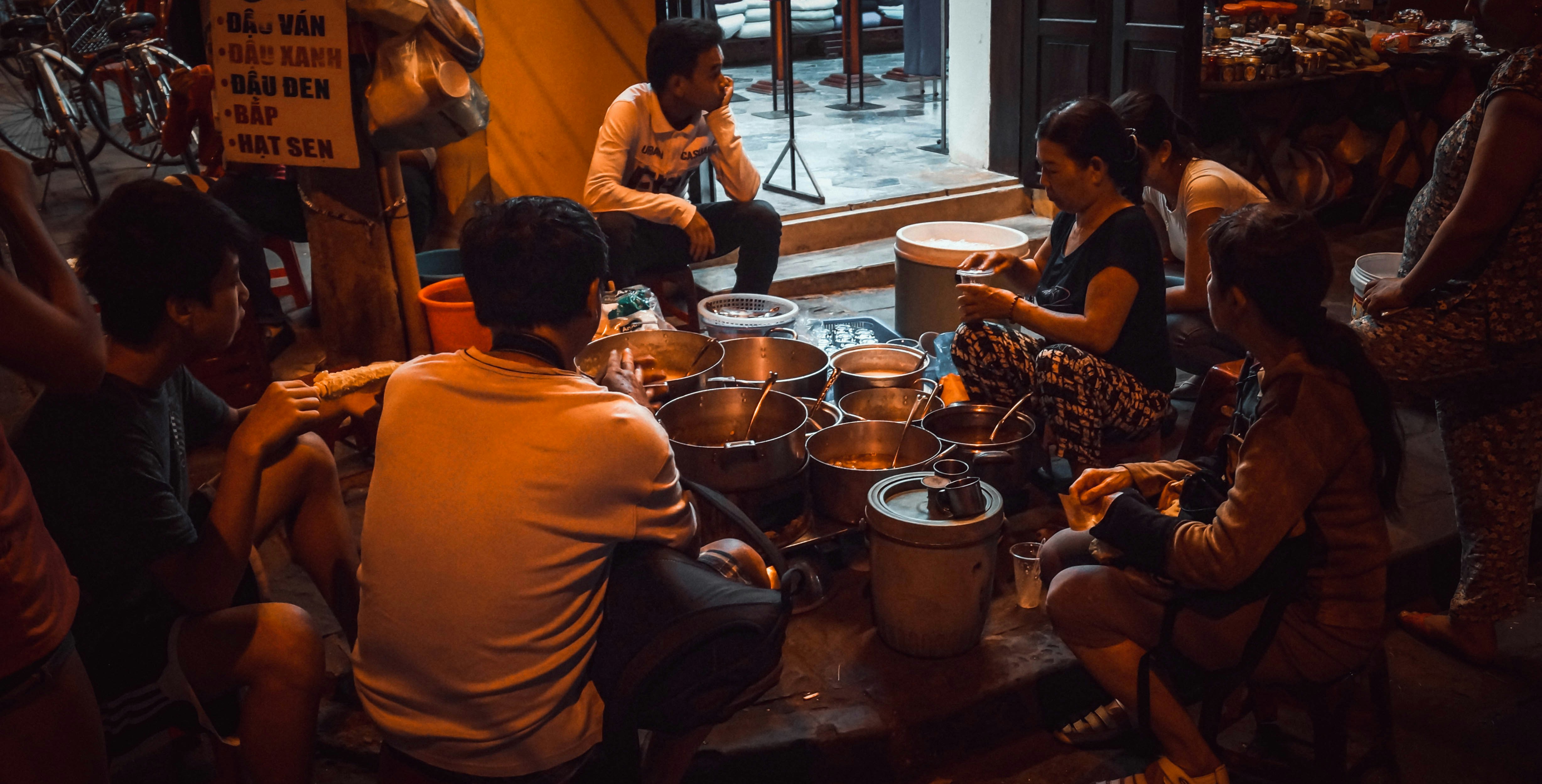
Busy informal food stall with steaming pots and people gathered around, warm afternoon light
Today2023 · Cairo Road

The Restaurant

Nshima opened on Cairo Road in a building with a mango tree in the courtyard. The clay pots are the same ones Mutale used. The groundnuts still come from Kasama. The kapenta is still dried on the shores of Bangweulu. Nothing is measured. Everything is made by hand, the way it has always been — slow, deliberate, without apology.
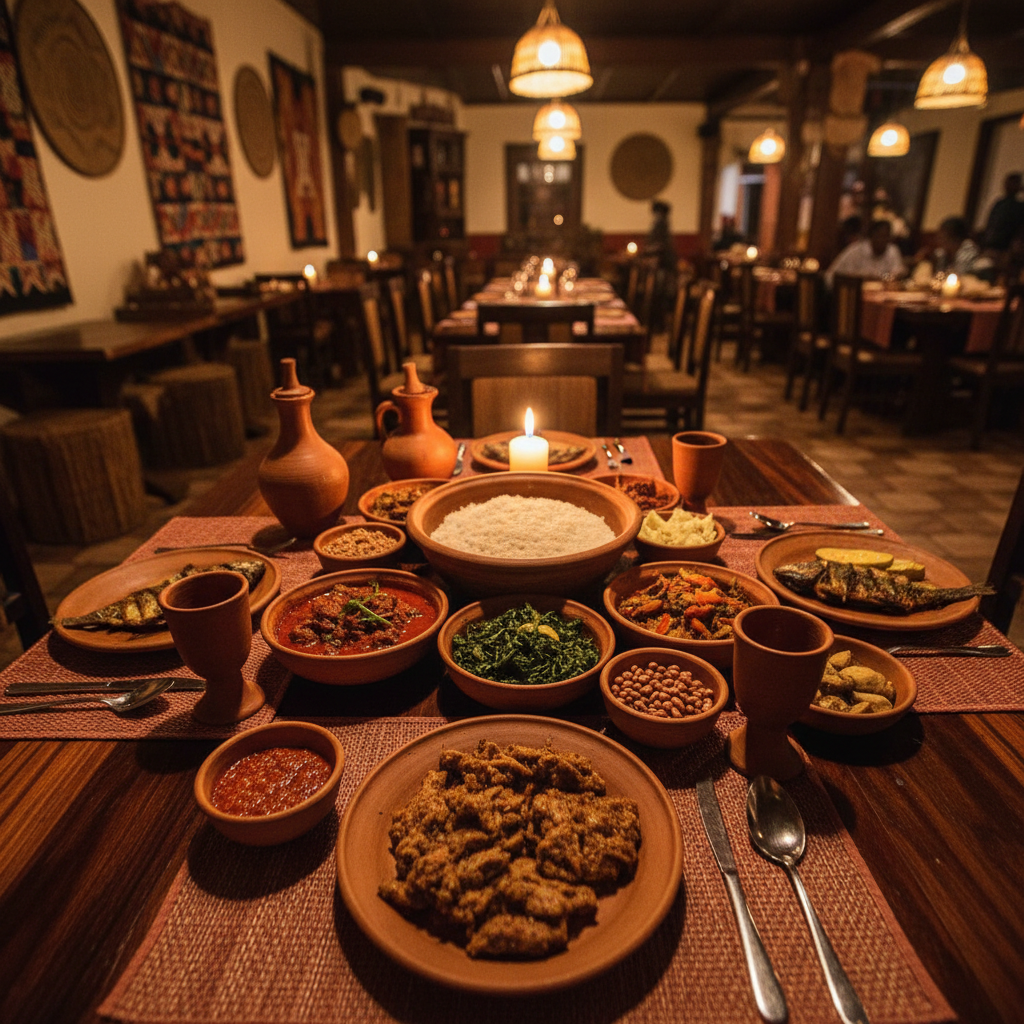
Beautifully set restaurant table with traditional Zambian dishes, warm terracotta and wooden accents

Characters in the Story

Ingredients with names and places

Every ingredient on this table has a geography. We list them not as flavours but as the people and places they came from.

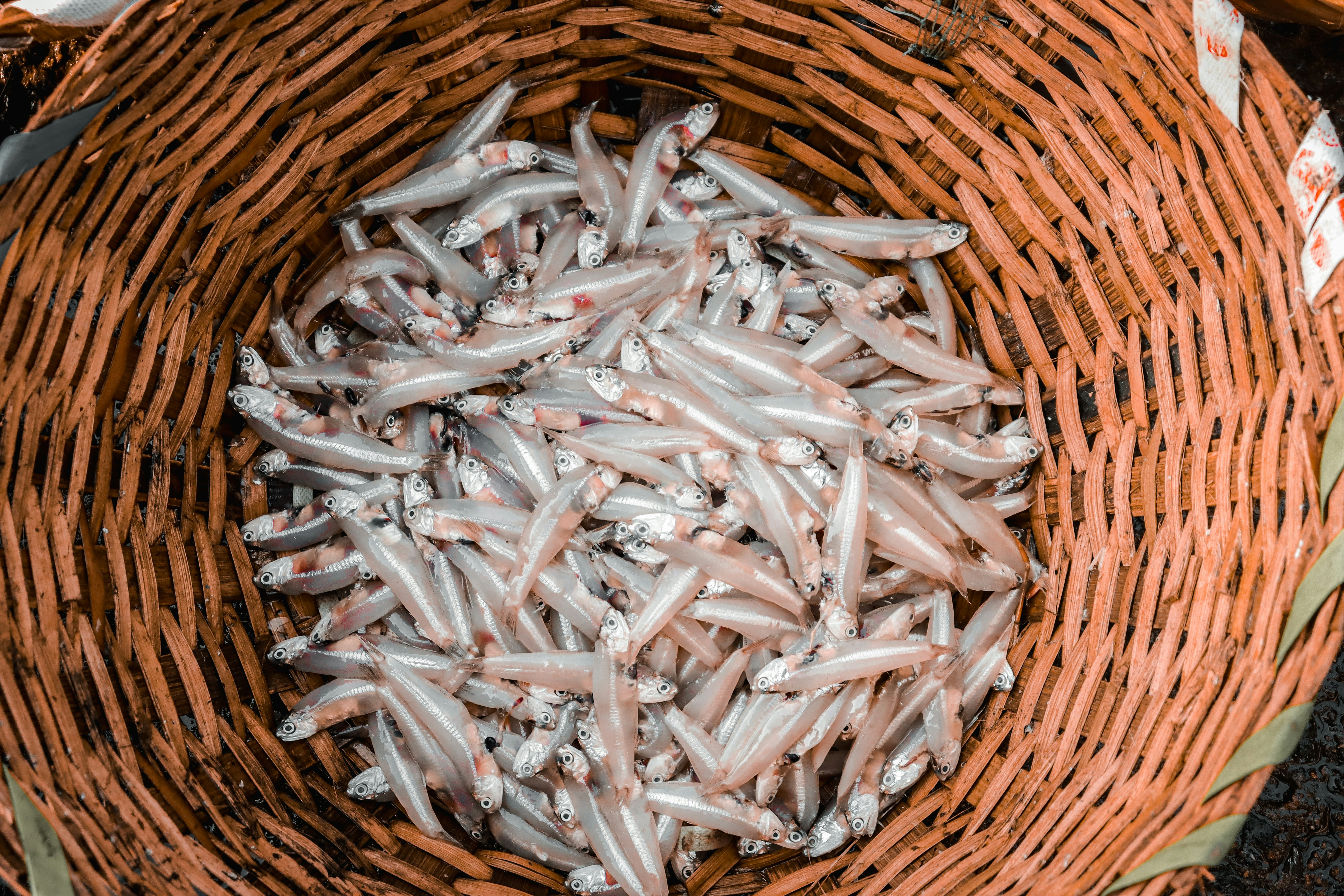
Small dried silver fish arranged on a woven basket in warm sunlight
Bangweulu Wetlands

Kapenta

The backbone

Dried on the lakeshore under open sky, these small silver fish travel 600 kilometres to reach the pot. Salted by wind and sun, not by hand. They carry the taste of deep water.

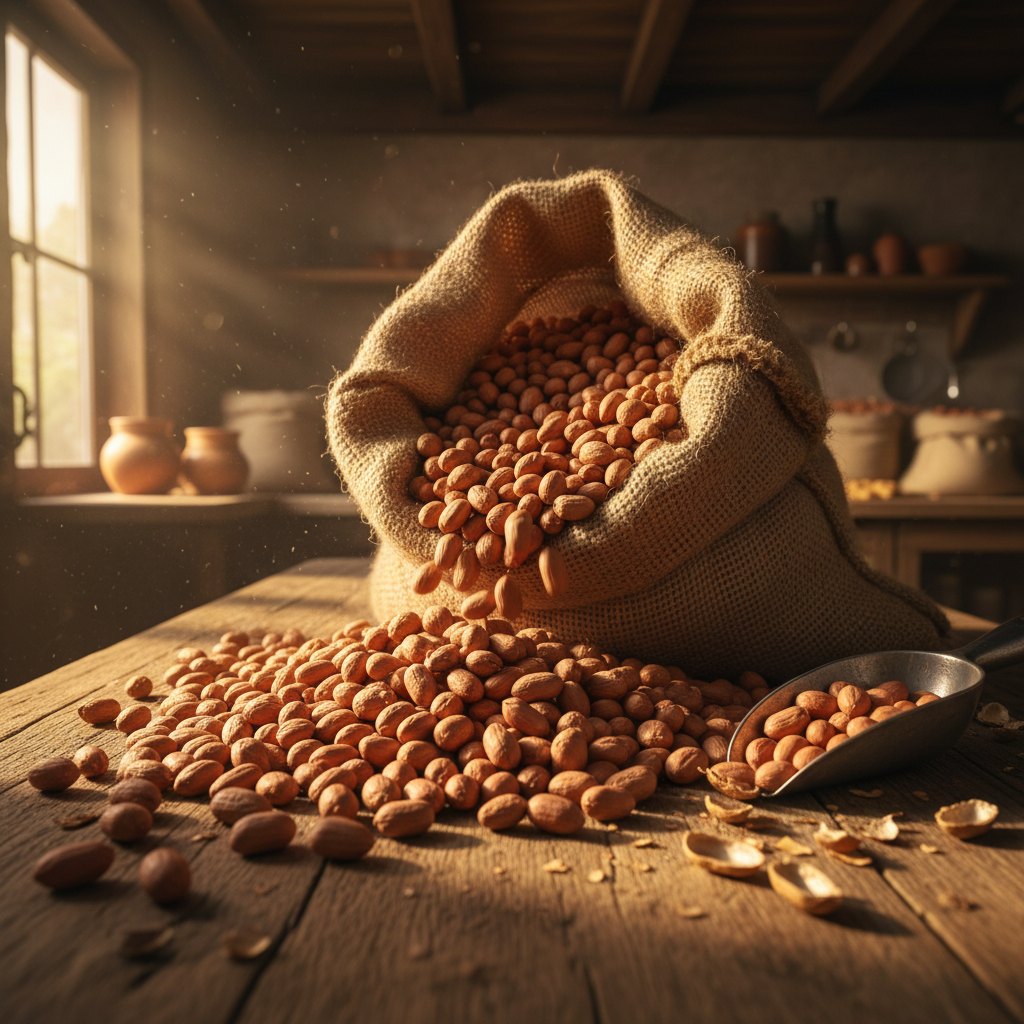
Raw groundnuts spilling from a hessian sack onto a wooden surface in warm light
Kasama, Northern Province

Groundnuts

The softness

Grown in red northern soil, roasted in the same pan as the day's cooking, then pounded until the oil runs. This is the base of ifisashi - not a sauce but a memory.

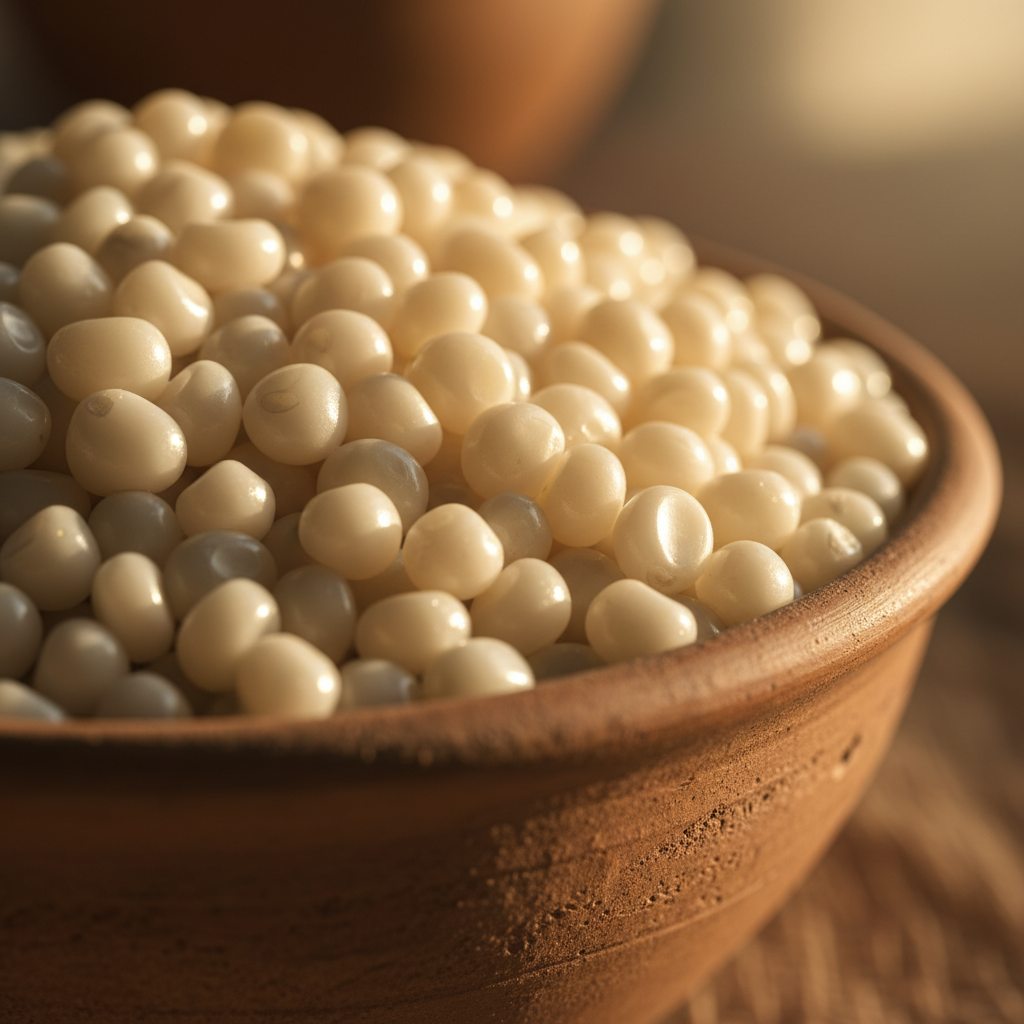
White maize kernels in a clay bowl with golden afternoon light casting long shadows
Eastern Province

White Maize

The hand

Nshima is made from maize that has been dried, milled, and passed through three generations of hands. The grain from Eastern Province is finer — the nshima it makes holds its shape without apology.

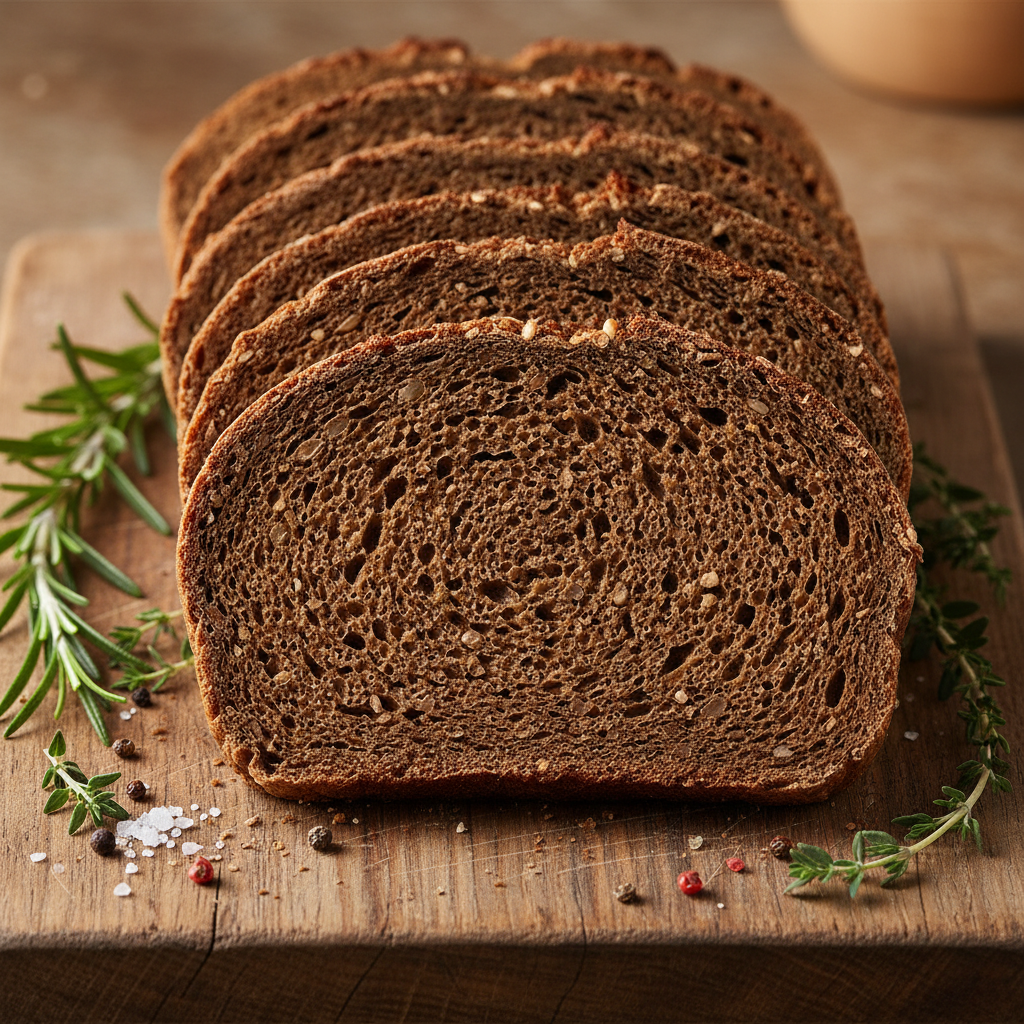
Sliced dense dark food on a wooden board with herbs scattered around
Northern Zambia

Chikanda

The rarity

Made from wild orchid tubers, groundnuts, and dried kapenta - chikanda is the dish that surprises everyone. Dense, earthy, with a heat that arrives slowly. Called African polony, but that name doesn't do it justice.

"The recipe was never written down. It was learned by watching, by tasting, by being corrected when the nshima was too thick."

— Chanda Phiri, founder

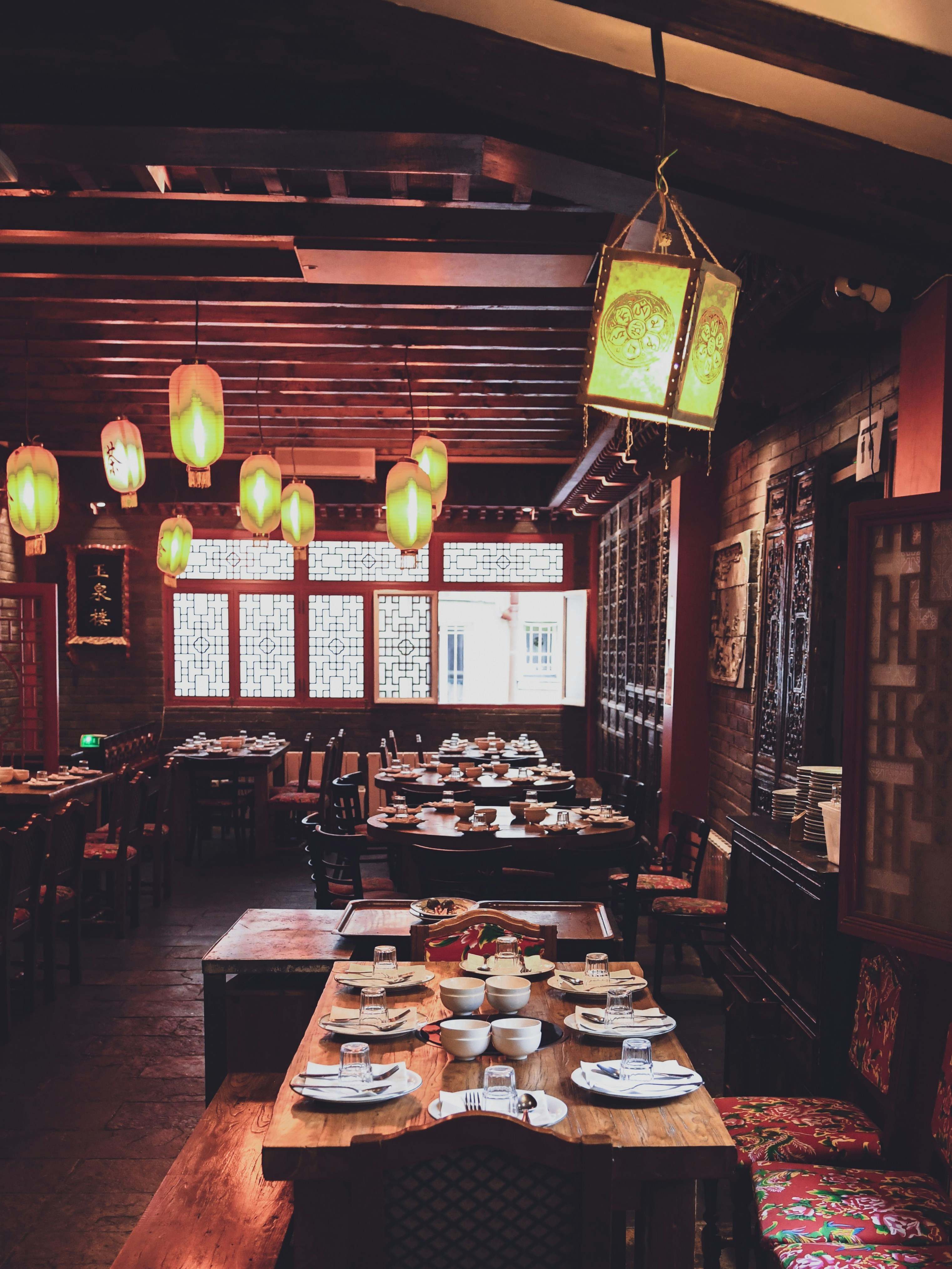
Warm candlelit restaurant interior with wooden tables and traditional clay pots

Come to the Table

Reserve your seat

We keep the dining room small so nothing gets rushed. Book ahead — especially on weekends, when the nshima runs out.

We confirm within 2 hours. For groups of 8+, please call +260 97 123 4567

Find Us

12 Cairo Road

Lusaka, Zambia

Mango tree in the courtyard

Hours

Tue – Sun

Lunch: 12:00 – 15:00

Dinner: 18:00 – 21:30

Call Us

+260 97 123 4567

nshima@restaurant.zm

WhatsApp welcome