How We Got Here
A kitchen that remembers
Grandmother Mutale's Kitchen
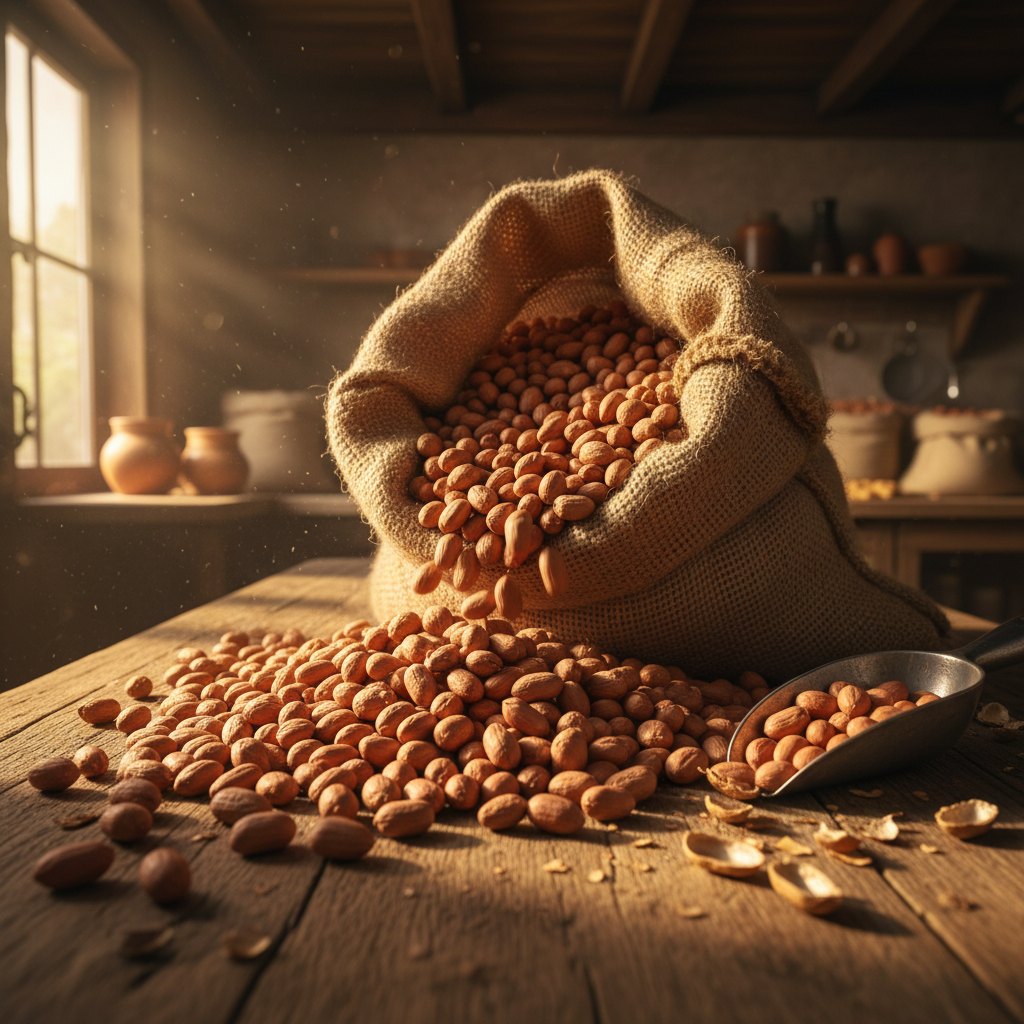
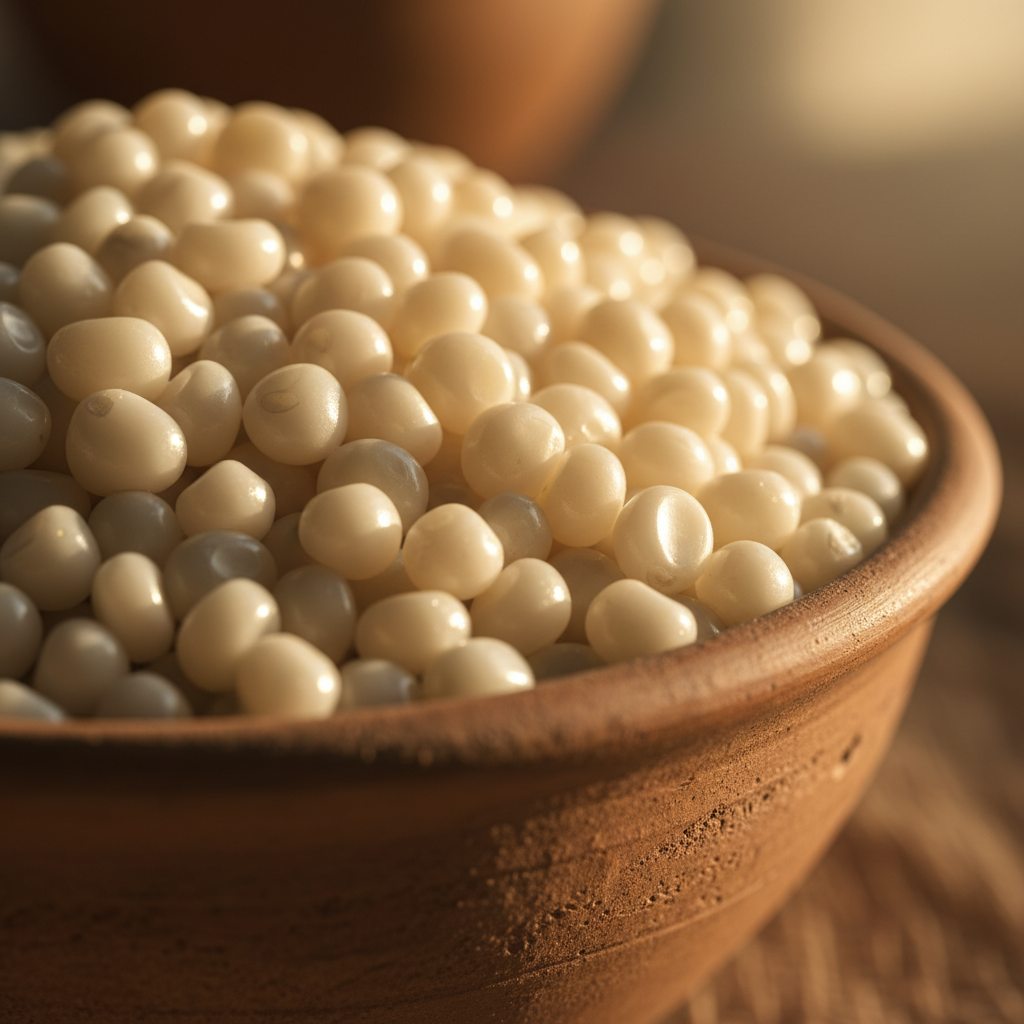
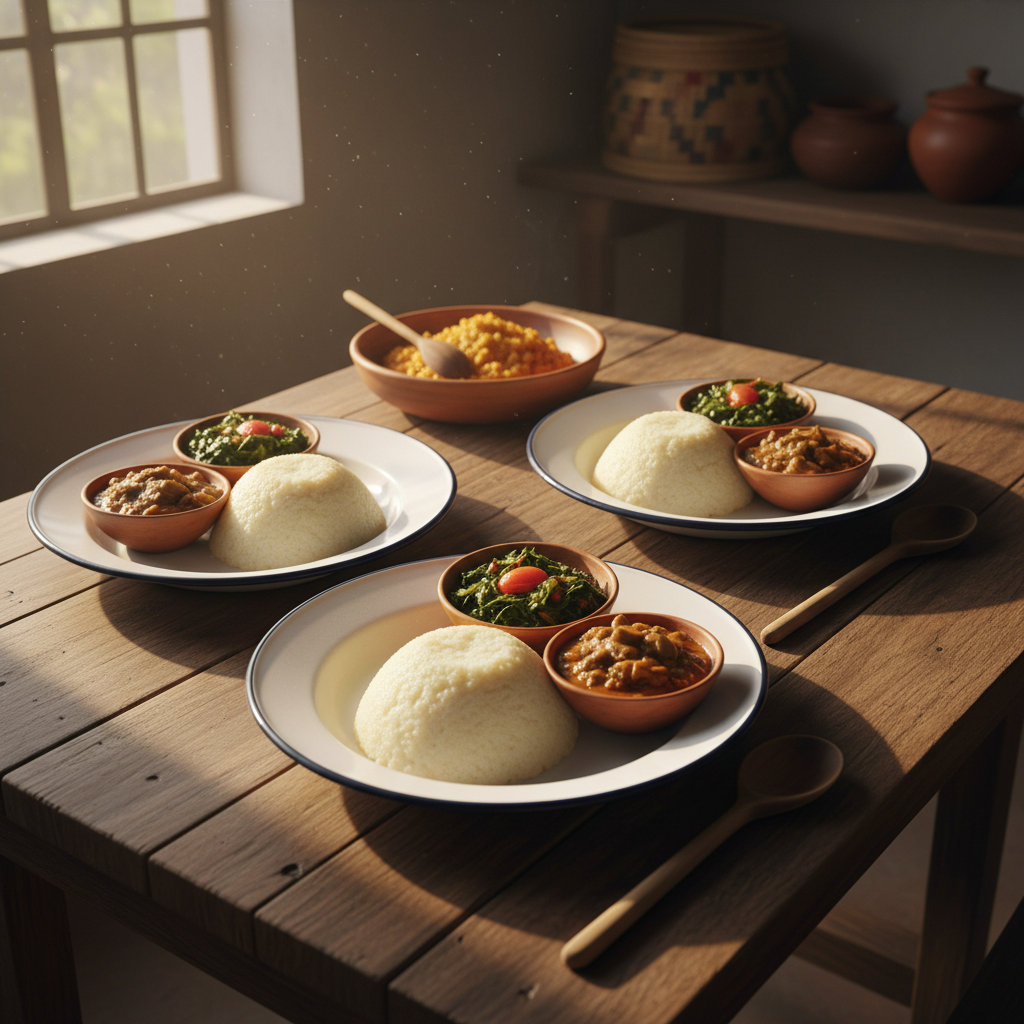
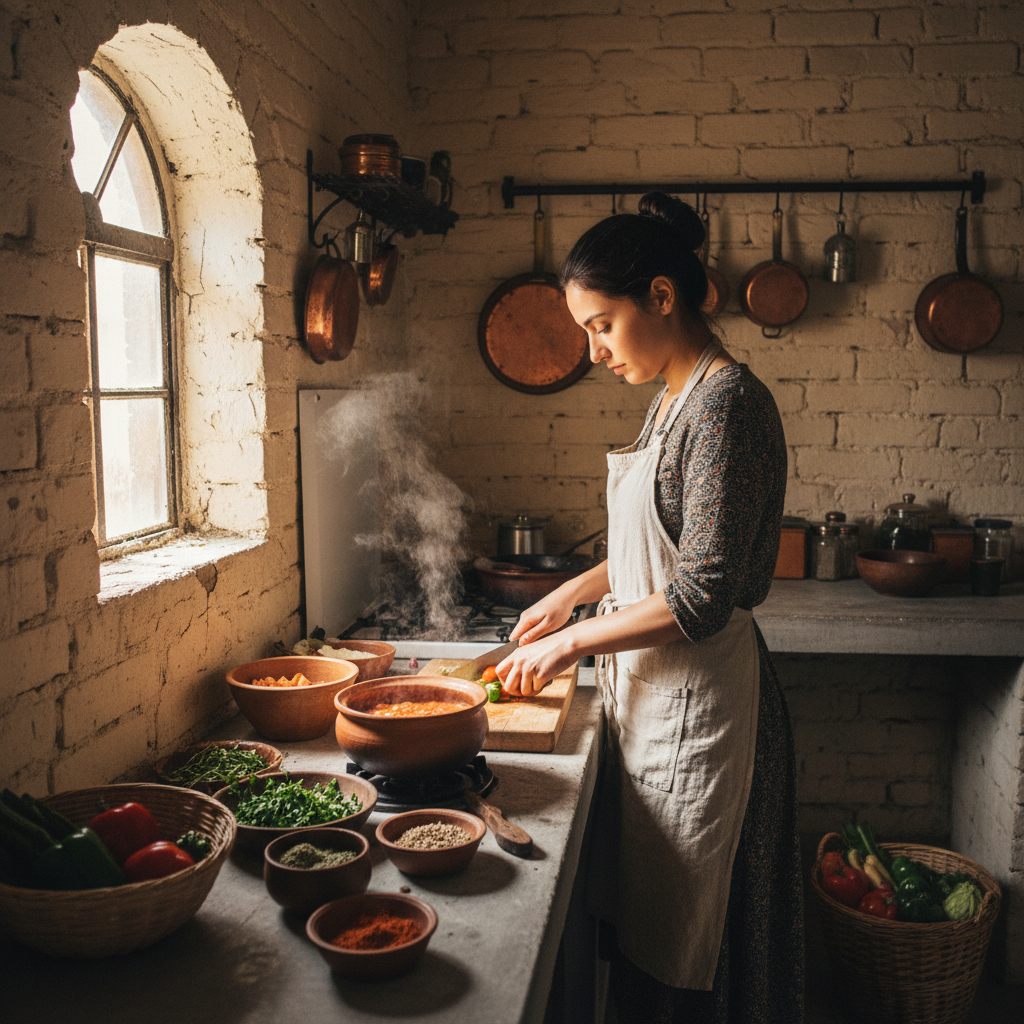
In a clay-walled kitchen outside Chipata, Grandmother Mutale Phiri stirred nshima in the same pot every morning — no measuring, no timer. The fire told her when the maize was ready. The smell told the neighbours. Her ifisashi, made with groundnuts pounded by hand on a flat rock, was the dish people walked three hours to eat at funerals, weddings, and nothing-in-particular Sundays.
A Recipe Carried in Memory
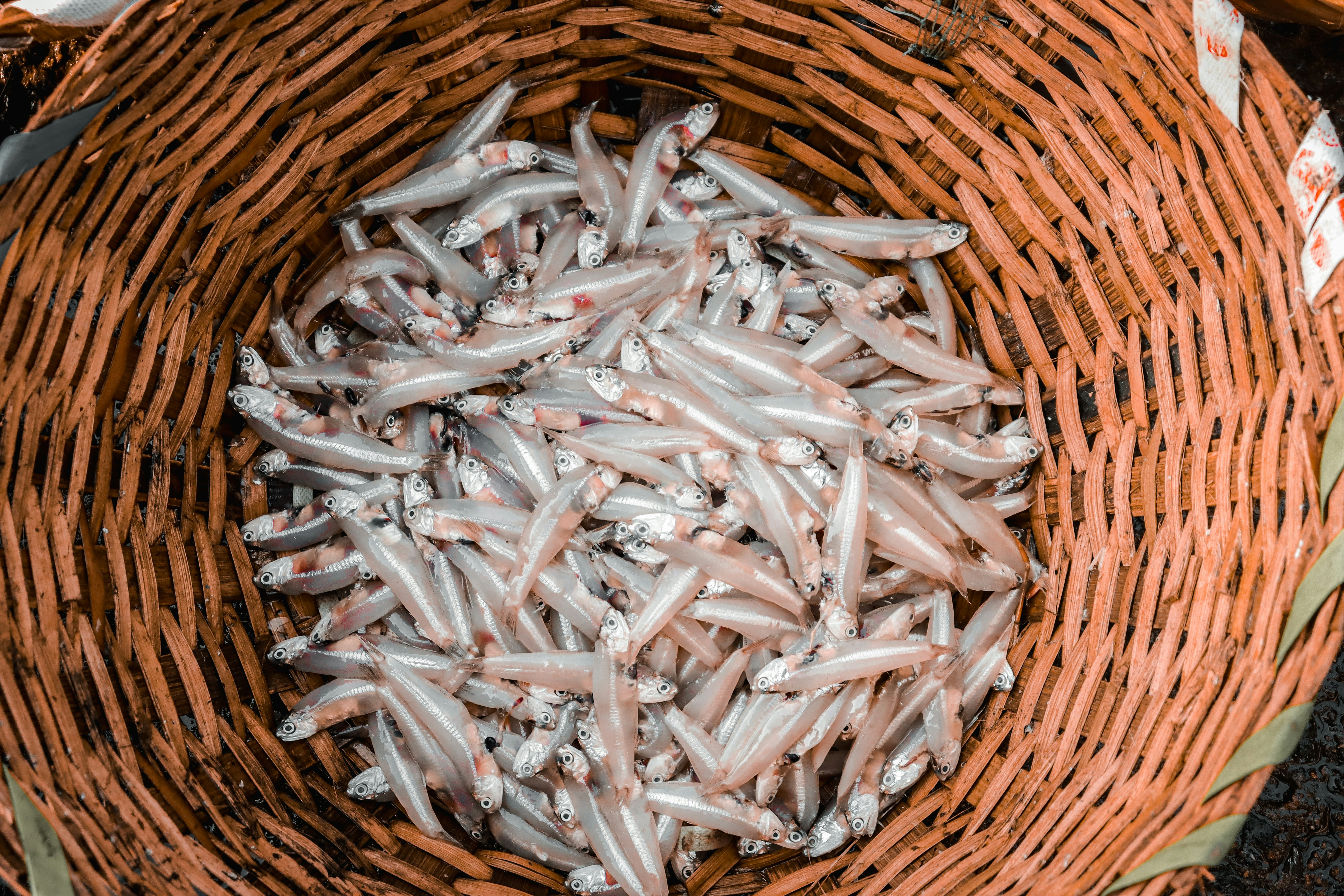
When Mutale's granddaughter, Chanda, moved to Lusaka at nineteen, she carried no written recipe. The proportions lived in her hands — how long to stir, when to add the dried fish, how thick the nshima should feel against the spoon before it's done. She cooked for homesick neighbours in a single room in Kanyama, charging nothing, accepting everything.
The Pop-Up That Wouldn't Stop
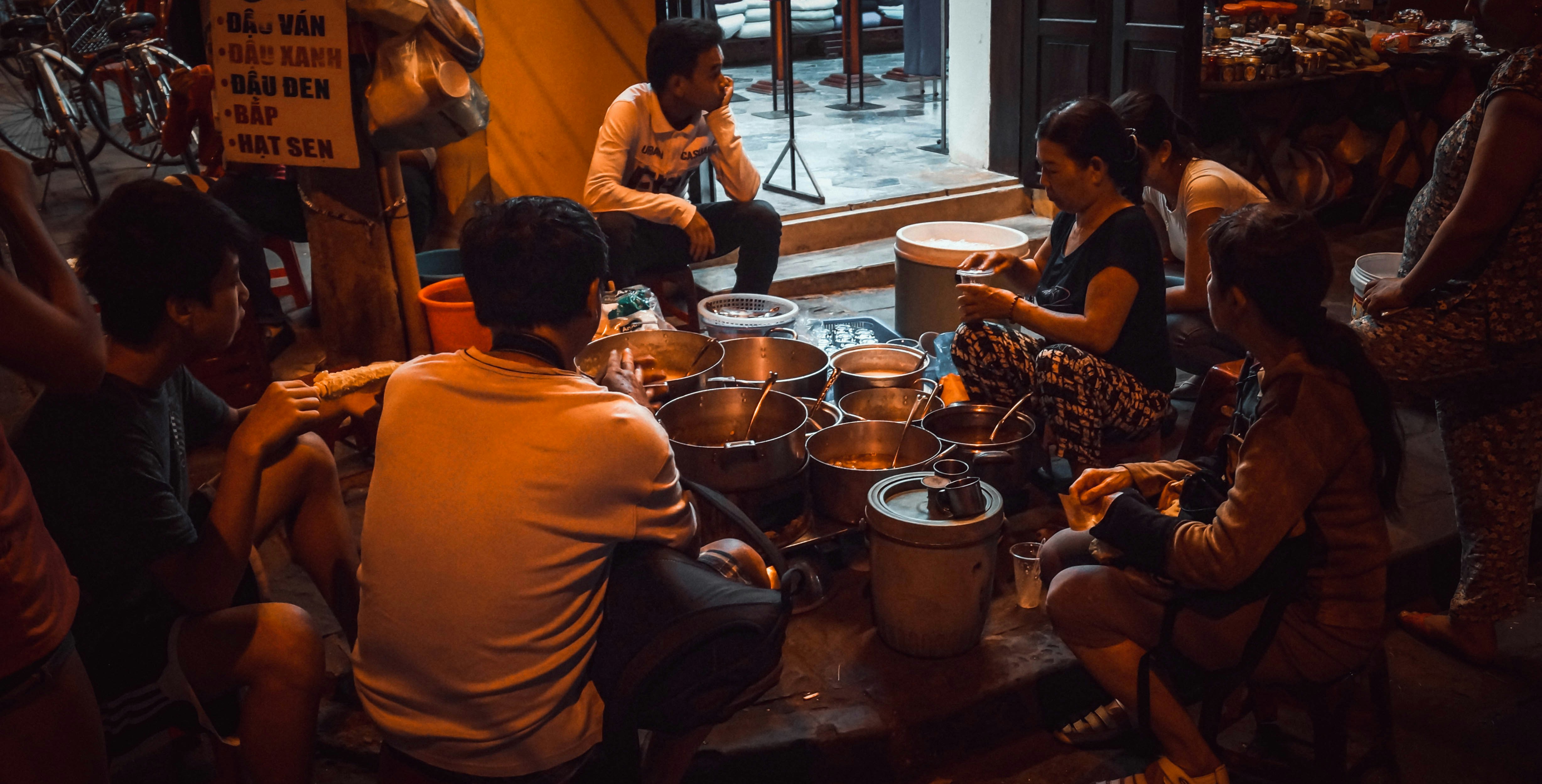
What began as a Saturday pop-up in Woodlands — eight plastic chairs, a hand-painted sign, and one menu item — sold out in forty minutes every week for six months. The queue was Zambians from every province, embassy workers who'd heard rumours, and strangers who'd smelled something and followed their nose. Chanda cooked until midnight and was back at the fire by five.
The Restaurant
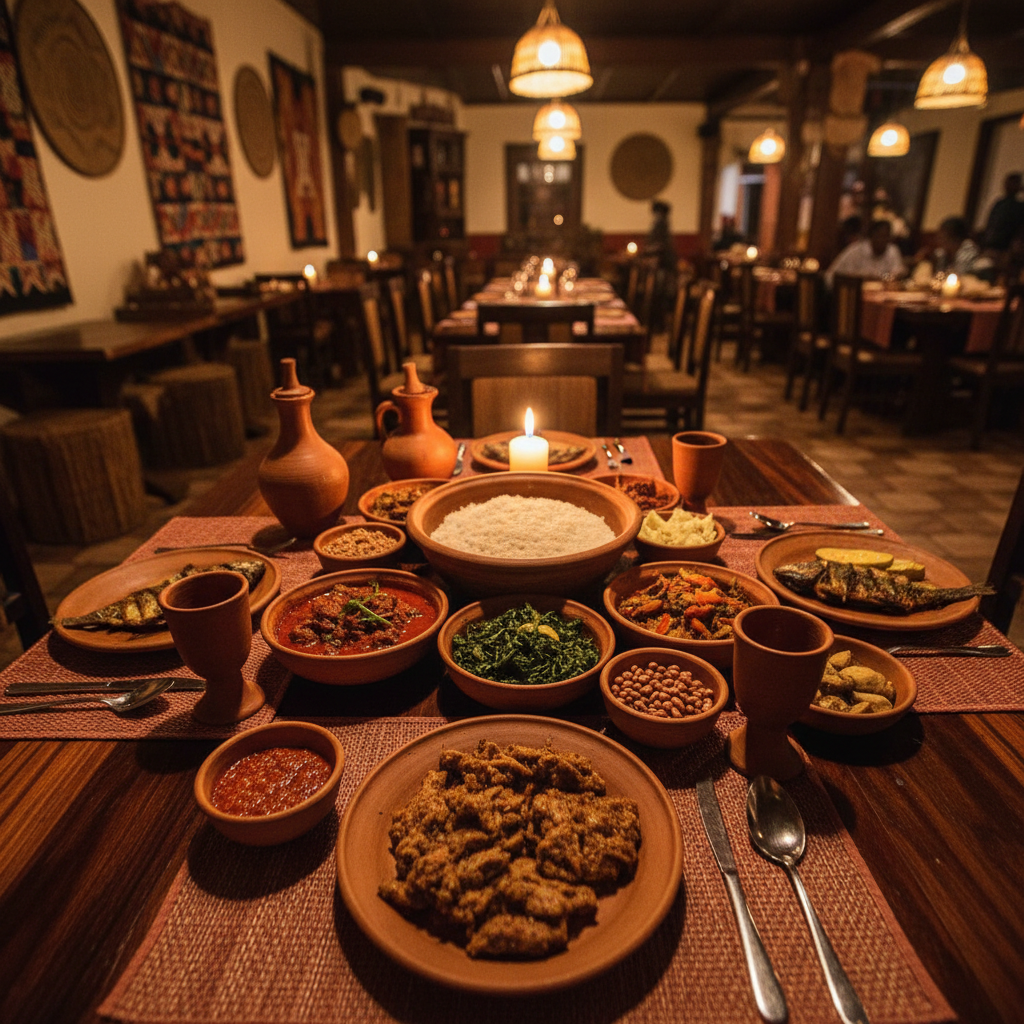
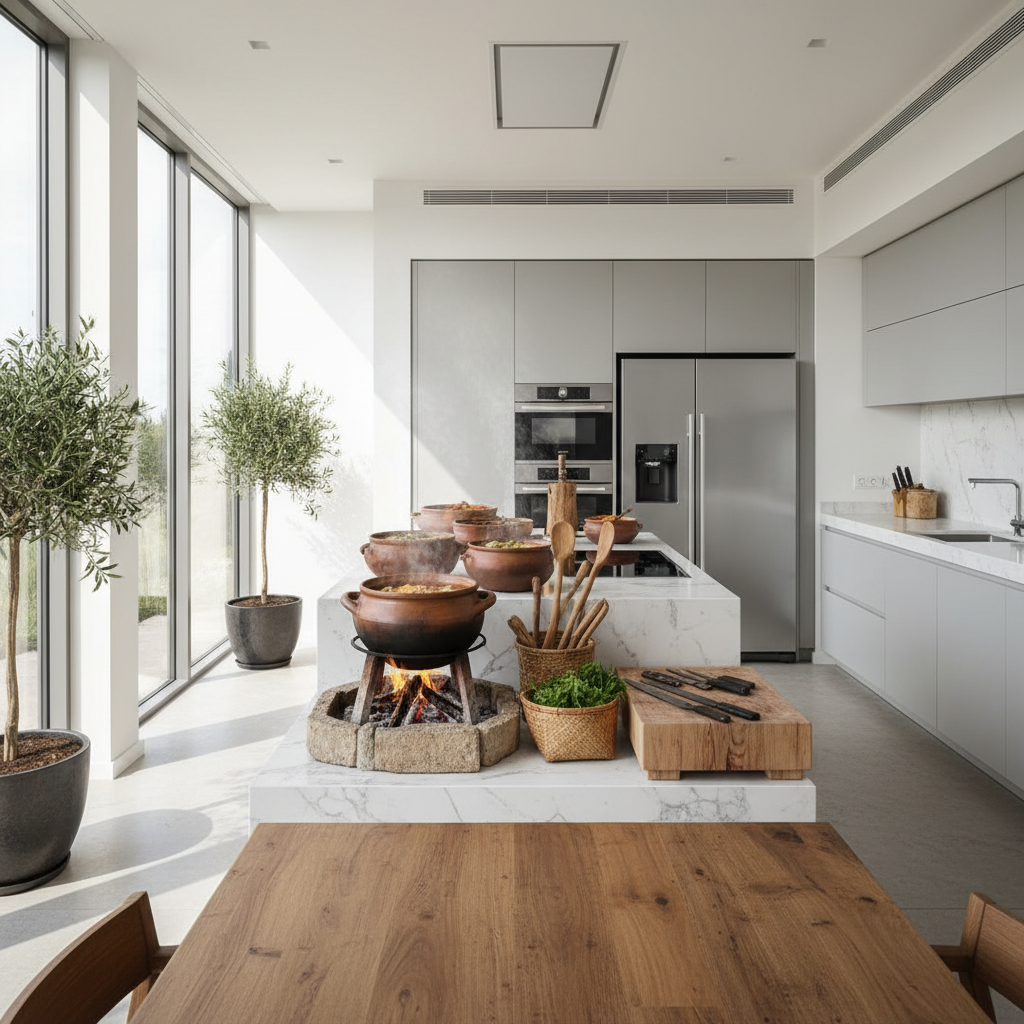
Nshima opened on Cairo Road in a building with a mango tree in the courtyard. The clay pots are the same ones Mutale used. The groundnuts still come from Kasama. The kapenta is still dried on the shores of Bangweulu. Nothing is measured. Everything is made by hand, the way it has always been — slow, deliberate, without apology.